Supporting over 254,000 jobs, employers in Ireland’s hospitality and tourism sector are entering 2026 facing mounting challenges including persistent staff shortages, high turnover, and increasing employment costs. These pressures are particularly acute for critical roles such as chefs, accommodation staff, and experienced front-of-house professionals.
In their Hotel & Catering Salary Guide for 2026, published today, Excel Recruitment point out that labour costs are set to rise further in 2026 with the minimum wage increase, auto-enrolment pensions, and PRSI contributions, adding around 6 pc to the total employment cost of a minimum wage worker.
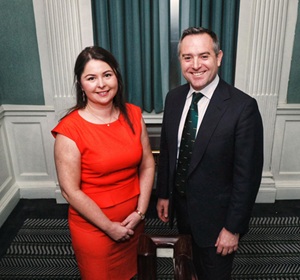
Speaking on the report and looking ahead to what’s in store for 2026, Shane McLave, Managing Director of Excel Recruitment,
“The sector is under unprecedented pressure. Employers are grappling with rising wage, pension, and PRSI costs while trying to attract and retain chefs, front-of-house staff, and accommodation teams. Wage growth alone is forecast at 5.6 pc, with PRSI rates set to increase by a further 0.15 pc from October 2026.
One example from our report shows the average hourly rate for an accommodation assistant has risen from €10.10 in 2020 to €15.00 in 2025, an increase of roughly 48pc, excluding the additional costs of employment. At the same time, full-time roles have declined while part-time positions have grown, reflecting the combined impact of rising costs, skills shortages, limited access to training, long hours, and housing challenges.
The annual insolvency rate for hospitality is now well above the historical average. We know that in the first 3 months of this year alone 150 food-led businesses (restaurants, cafés, etc.) closed and we would estimate that the numbers for the following quarters are the same if not greater. That’s a possible 600 employers that have gone out of business in just 1 year”.
Notable Average Salary Increases in 2026 (Compared to 2025)
- Accommodation Manager - €45,000 to €47500 (up €2,500)
- Bar & Wait Staff - €32,000 - €34,000 (up to €2000)
- Kitchen Porter & Catering Assistant – €13.50 to €14.15 (up €0.65ph)
Rising Costs and Employment Pressures
Mr. McLave continued,
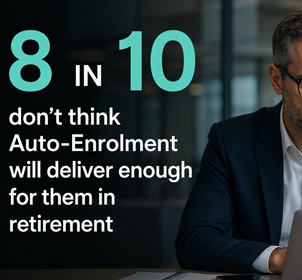
“Employees, meanwhile, are managing higher living costs and reduced disposable income due to pension contributions under auto-enrolment”.
Once auto-enrolment is rolled out in January 2026 employees aged 23 to 60 earning over €20,000 must contribute 1.5 per cent of gross salary to auto-enrolment pensions, reducing short-term financial flexibility.
“Coupled with the lack of cost-of-living supports and rising education and housing costs, these pressures intensify the challenge of retaining talent in the sector”, said Mr. McLave
Employer Strategies to Attract and Retain Staff
The Excel Recruitment highlights a range of strategic responses employers are offering including enhanced pay and benefits, predictable scheduling, work-life balance initiatives, training and upskilling programmes, and accommodation support.
“Temporary and contingent workforce models are increasingly used for chefs, waiting staff, and accommodation teams to manage seasonal demand. Technology is also being embraced to improve efficiency, reduce workloads, and maintain service quality without undermining the personal touch of Irish hospitality”.
“To sustain the sector, businesses must invest in staff, improve working conditions, and embrace operational efficiencies. Balancing rising costs with attractive careers is essential to retain talent and ensure the high-quality service that defines Irish hospitality.”
Sources
Business Restructuring Update Q2 2025 page 10/11