- 67 people in Ireland were officially identified as victims of human trafficking in 2024 by An Garda Síochána, but the true number is likely to be multiples of this.
- Coordinated national initiative by Banking & Payments Federation Ireland, EY, An Garda Síochána, and STOP THE TRAFFIK established to help disrupt the financial infrastructure that enables human trafficking.
- Campaign launched today by Minister for Justice, Home Affairs and Migration Jim O’Callaghan, to raise public awareness about the signs of human trafficking and how to report it.
Thursday 27th November 2025 – A new public awareness campaign spotlighting the issue of human trafficking in Ireland has been launched today through The Harcourt Programme, a coordinated national initiative led by Banking & Payments Federation Ireland, EY, An Garda Síochána, and global human trafficking NGO, STOP THE TRAFFIK. The Harcourt Programme was established to help disrupt the financial infrastructure that enables human trafficking and prevent, detect, and prosecute human trafficking by raising awareness, improving collaboration, and using technology and data more effectively.
Launched by Minister for Justice, Home Affairs and Migration Jim O’Callaghan, today’s campaign aims to raise awareness among the public on how to spot the signs of human trafficking and encourage people to report any concerns. Delivered in collaboration with AIB, Bank of Ireland, PTSB and U.S. Bank DAC, the campaign, which will be running across social media over the next month, reflects a united commitment across the financial services sector to address this critical issue.
Human trafficking is often a hidden crime that exploits people for profit. Victims are trafficked and controlled through threats, violence, or deception and are often forced into sexual exploitation, labour, or other forms of abuse. In Ireland, 67 victims were officially identified by An Garda Síochána in 2024, but the true number is likely to be multiples of this. Certain industries are particularly vulnerable to trafficking, especially those involving hidden, informal, or low-wage work such as hospitality, agriculture and fishing, beauty services and manual labour.
Human Trafficking is happening in urban and rural communities across Ireland
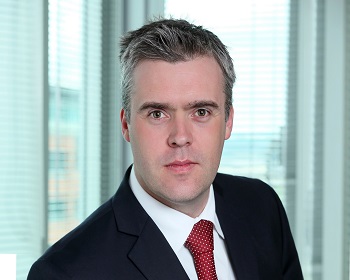
Jenny Pattwell, Partner at EY stated: “Human Trafficking is on the rise globally with profits from forced labour and sexual exploitation reaching $236 billion annually*, driven by challenges such as economic instability, global health emergencies, armed conflict and climate disasters. However, human trafficking is not confined to distant shores. The harsh reality is that it is happening right now here in Ireland, in both urban and rural communities across the country. EY Ireland alongside Banking & Payments Federation Ireland (BPFI), An Garda Síochána and STOP THE TRAFFIK are leading a cross-sector initiative known as ‘The Harcourt Programme’ to prevent, detect and disrupt the financial structures that enable modern slavery. By shining a light on the connections between everyday financial transactions and human trafficking, our aim is to encourage people to stop, think and act when something looks or feels wrong.”
The financial sector plays a vital role in dismantling the economic infrastructure of trafficking
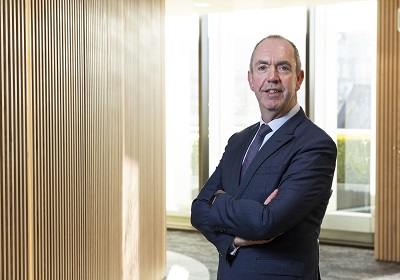
Niamh Davenport, Head of Financial Crime with BPFI, said: “Human trafficking is not just a human rights crime, it is also a financial crime. Every act of exploitation generates illicit funds that flow through banks and payment systems, making financial institutions critical in detecting and disrupting these networks. BPFI member banks have strengthened their ability to detect and report suspicious activity, trained front-line staff to recognise red flags, and partnered with law enforcement to ensure that when indicators of exploitation appear, they are acted upon quickly and effectively. By enforcing strong anti-money laundering measures and monitoring suspicious activity, the financial sector plays a vital role in dismantling the economic infrastructure of trafficking. Through this campaign, we want to raise public awareness and reaffirm our sector’s commitment to working alongside government, law enforcement, and NGOs to stop trafficking at every level.”
Minister for Justice, Home Affairs and Migration Jim O’Callaghan launches national public awareness campaign
Speaking at the launch of the campaign, Minister for Justice, Jim O’Callaghan TD stated: “Human trafficking is a grave violation of human rights that deprives people of their freedom and dignity. It is happening in Ireland, often hidden in plain sight, and we cannot turn away from it. This campaign calls on every member of the public to recognise the signs and report concerns, because even a small piece of information can help protect a victim. Under the law, trafficking is a serious crime, carrying penalties of up to life imprisonment. The Government is taking decisive action on this issue to pursue traffickers and to identify potential victims and ensure they can access supports they urgently need. The Third National Action Plan to Prevent and Combat Human Trafficking sets out the actions underway to enhance prevention, protection, and prosecution efforts across the state. Through this cross-sector initiative, Ireland is sending a clear message: traffickers will find no safe harbour here. By staying alert, reporting concerns, and working together, we can help ensure that victims are brought to safety and perpetrators are brought to justice.”
Behind every case of human trafficking is a person in need of safety and support
Colm Noonan, Detective Chief Superintendent at the Garda National Protective Services Bureau concluded: “What’s important to remember is that behind every case of human trafficking is a person in need of safety and support. The Third National Action Plan to Prevent and Combat Human Trafficking takes a victim-centred and human rights-based approach and An Garda Síochána has a specialist unit dedicated to investigating human trafficking cases. Through this campaign, we are also asking the public to be vigilant. Trafficking often hides behind everyday situations, and your awareness can make the difference. If you are a victim of human trafficking, or suspect someone is being exploited for human trafficking, you can report it to a dedicated email address at blueblindfold@garda.ie. You can also call the Garda Confidential Line on 1800 666 111 or contact your local Garda station. If you are in urgent need of support, please contact 999/112. Every report matters, and together we can dismantle these criminal networks and protect the most vulnerable.”
How to spot the signs of someone who may be a victim of human trafficking
- Has no access to personal legal documents or bank accounts.
- Works unusually long hours.
- Is living in unsafe or overcrowded housing.
- Is never alone and always accompanied by someone else.
- Is under the watch of an adult who seems protective or controlling towards them.
- Shows signs of physical or psychological abuse such as anxiety, bruising or untreated medical conditions.
- Is fearful and distrustful of authorities, even though they need help.
- Has little to no contact with family or loved ones.
What to do if you are a victim of, or suspect, human trafficking
Report to An Garda Síochána: If you are a victim of human trafficking, or suspect someone is being exploited for human trafficking, you can report it to a dedicated email address at blueblindfold@garda.ie. You can also call the Garda Confidential Line on 1800 666 111 or contact your local Garda station. If you are in urgent need of support, please contact 999/112. For more information, please visit blueblindfold.gov.ie
For more information about human trafficking in Ireland visit: www.SpottheSigns.ie