Six in ten (58%) Irish workers either feel underpaid or undervalued in work, with women more inclined than men to feel this way.
Almost six in ten (59%) Irish female workers feel they are underpaid, but only four in ten (43%) of men feel the same way. A further 7% of female workers and 6% of male workers say they are undervalued at work regardless of pay.
This is according to a survey of 750 workers across the country by the employee benefits and HR specialists, NFP Ireland, which examined how fairly Irish workers feel they are paid.
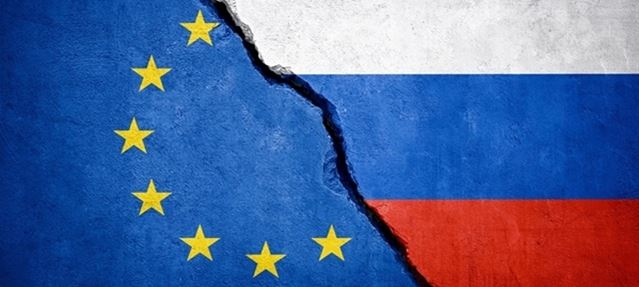
The findings of the survey emerge amidst mounting concerns about Ireland’s delays in implementing important new EU rules on pay transparency, with the Irish Government recently confirming that it will miss the June 7 deadline for the transposition of the EU Pay Transparency Directive[1].
Headline findings from the NFP survey found that:
- More than two in ten women say they are significantly underpaid (21%) – but only one in eight (12%) men say the same.
- While half (47%) of men feel fairly paid, just a third (33%) of women feel this is the case.
- While numbers are small, three times as many men as women feel overpaid (3% versus 1%).
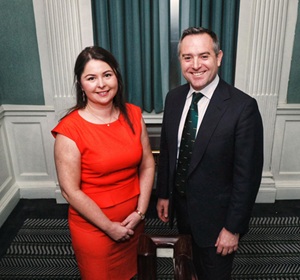
Commenting on the survey findings, Caroline Reidy CIPD, Head of HR Solutions at NFP Ireland, said:
“The ability to attract and retain staff is key to business success. Our survey shows that pay equity is a key issue for many workers, with a significant portion of workers feeling that they are not rewarded sufficiently for the contribution they make at work, with women in particular inclined to feel this way.
The survey results reflect the gender pay gap that we know exists in many organisations. The pay transparency legislation, which was due to come into effect in Ireland on June 7 but which unfortunately has now been delayed, will shed more light on the gender pay gap. Under that legislation, all employees will have access to more data to help them identify any unfair gaps in pay that can’t be objectively justified - hence the requirement for organisations to proactively prepare for this key piece of legislation.”
According to the NFP Ireland survey, a high proportion of this country’s workers are unhappy about their pay, and this is particularly pronounced for certain demographics:
- Overall, half of this country’s workers feel underpaid (51%), with 16% feeling significantly so.
- Workers in Connacht and Ulster are the most likely to feel underpaid, with almost six in ten (59%) stating this to be the case.
- Those between the ages of 35 and 44, typically when people have established themselves in their careers and have large financial commitments such as mortgages or childcare, are the most likely to feel underpaid, with almost six in ten (57%) of workers in this age group feeling this way.
- The working class[2] are more likely than the middle class[3] to say they are significantly underpaid (20% versus 15%).
There are also more positive findings in the survey:
- Overall, four in ten (40%) of Irish workers feel they are fairly paid for what they do.
- At 48%, those aged 55+ are the most likely to say they’re paid fairly.
Ms Reidy went on to say,
“Ultimately, if a worker feels underpaid or undervalued, this could impact their likelihood of staying in the workplace. As employees often only look at pay when deciding on a new role or opportunity, we recommend that employers issue annual compensation and benefit statements to all their workers. Annual benefit and compensation statements outline all of the financial rewards received by an employee and so, regularly issuing these statements to workers will help ensure that employees are clear about all the benefits they receive.
It is also important that employers regularly benchmark employee remuneration to ensure they are offering competitive remuneration packages. Furthermore, employers should regularly review their flexible working and family-friendly policies. As of this is key to ensuring that staff feel valued in the workplace.”
NFP Ireland reports that some strides have been made on gender pay equality in Ireland in recent years, with the gender pay gap falling from 9.6% in 2022[4] to 8.3%[5] in 2024, well below the EU average of 11.1%.
Ms Reidy commented:
“That said however, on average, a man in Ireland still earns 8.3% more a woman. Women working in Ireland are also consistently underrepresented among higher earners, with recent figures showing that women make up just 39% of the top 25% of incomes and only 28% of the top 1% of incomes[6]. Even in sectors where women dominate the workforce, like health and education, they are far less likely than men to feature among the highest earners.
The new EU Pay Transparency Directive, which was due to come into force on June 7 but which the Irish Government has now said will be introduced on a phased basis[7], will help to reduce the gender pay gap. This legislation will introduce clearer requirements on how pay is determined, communicated and challenged and employees will also have the right to enquire about the salaries of co-workers with similar duties.
The law represents one of the most significant regulatory and cultural changes to impact pay and reward practices across Europe in decades. While the principle of equal pay for work of equal value has long existed in employment equality legislation, the reality is that complex pay structures, historic practices and a culture of pay secrecy have often made it difficult for employees – and regulators – to identify pay anomalies. The new framework seeks to change this.”
[1] As per Dáil Question, May 26 2026
[2] Class C2DE
[3] Class ABC1
[5] As per latest Eurostat Gender pay gap statistics
[6] As per CSO Distribution of Earnings by Gender and County 2024, published Oct 2025
[7] As per Dáil Question, May 26 2026