It is the role of the board of directors to provide leadership together with management, and its primary purpose is to ensure the company’s long term prosperity by collectively directing its affairs, while serving the interests of shareholders and relevant stakeholders.
In today’s business environment, there can often be little time for management to devote to the big picture or long-term strategy of the company and this is where a balanced board, with input from non-executive directors, can add real value. By having a formal board structure in place, management can focus on the day-to-day operations of running the business, while the board can focus on providing long-term strategic direction and the independent oversight and checks and balances needed to ensure that the organisation is compliant with its regulatory, governance and legislative requirements.
A board that has independent non-executive directors in place, with the right experience and expertise, who can bring specialist skills and knowledge and an independent eye to strategic direction and decision-making, can be of tremendous benefit.
The presence of independent non-executive directors at board meetings can have a very positive influence, often providing executive management with the impetus to become more strategic in their focus as well as questioning some of the core assumptions of the business.
The case for building an effective board
A company’s board of directors has overall responsibility for its long-term prosperity. Given its importance, careful consideration should be given to selecting appropriate board members.
Businesses should aim to find the most capable, dynamic, engaged and committed board members who can offer their expertise to help the organisation to succeed. Building a diverse board provides access to a wide range of skills and expertise and ideally, board composition should reflect and understand the perspectives of a company’s stakeholders.
An effective board of directors is an important component of a company’s armour and executive management should tap into the vast wisdom and intellectual power that a board can offer and leverage the knowledge of the board with regard to key strategic decisions.
A board of directors, including non-executive directors, should bring objectivity and an independent viewpoint. Because non-executive directors are not heavily involved in the day-to-day operations of the business, they can often see issues in their totality and from a broad perspective and can provide constructive challenge to executive management in relation to the strategic direction of the company.
Finding the right non-executive director
For financial services entities regulated by the Central Bank and required to have a specified number of independent non-executive directors on the board, it is important to think about the skills deficits or knowledge gaps which the non-executive director must fill on the board.
Non-executive directors should have relevant boardroom experience, with specific professional knowledge. Independent non-executive directors should be chosen on the basis of their skills, experience and expertise and importantly, they must be able to commit the necessary time and effort to fulfil their responsibilities.
When assessing the independence of a non-executive director, the board should take into account everything from previous, and where relevant, current employment, to business relationships and other directorships. Ensuring that there is no potential for conflict of interest should be a crucial element of the selection process.
By developing an accurate profile of the ideal candidate, a business is more likely to get the right person on board. It is important that a business invests the time and effort to find the right non-executive director for the board. A non-executive director should add value and there should be a synergy to the relationship, while ensuring a healthy level of challenge and critique.
In any business, a board of directors should not be thought of solely from the point of view of an overseer of operations, but also as an advisor and a sounding board, offering insight, expertise and challenge, with the long-term interests of the business in mind.
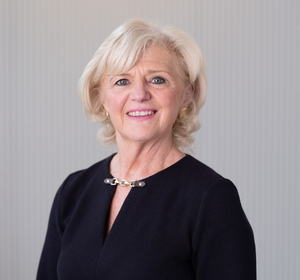
By Thora Mackey is Chief Operating Officer and Head of the Boardroom Centre at the Institute of Directors in Ireland.